Many people with ADHD struggle to start and sustain exercise. Low motivation, distraction, and mental fatigue can turn a simple plan into an abandoned intention. The good news is that well-structured, short workouts can improve focus, energy, mood regulation, and daily productivity.
This guide shows how to design a 20-30 minute ADHD-friendly workout that fits busy days and variable motivation. You will get concrete routines, pacing guidelines, habit-building strategies, nutrition tips, and safety notes so you can start today and keep going.
Why ADHD-specific workouts work
Exercise changes brain chemistry in ways that support attention and impulse control. Physical activity raises dopamine and norepinephrine, which can boost alertness and working memory for people with ADHD.
Short, focused sessions reduce the friction of starting, and varied movement keeps novelty high. Structure, external cues, and predictable sequences turn exercise into a reliable tool for symptom management.
Core principles for ADHD-friendly training
- Keep sessions short and intense when needed. Aim for 20-30 minutes so you can complete a full routine without mental burnout.
- Use built-in novelty by rotating exercises weekly to avoid boredom.
- Externalize reminders with alarms, calendar blocks, or a workout playlist that signals start and stop.
- Anchor to existing habits like morning coffee or a commute to make workouts automatic.
- Make success visible with simple tracking: checkboxes, a habit app, or a whiteboard.
How to structure a 20-30 minute ADHD workout
Below are three ready-to-use routines for common goals: energy, focus, and calming. Each plan includes timing, sets, and rest to reduce decision fatigue. Use a timer app or interval beep to keep transitions smooth.
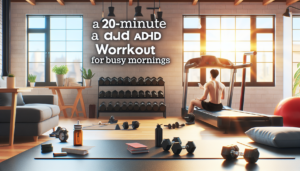
20-minute Morning Energy Boost (cardio + bodyweight)
- Warm-up 3 minutes: brisk march, arm circles, hip hinges.
- Interval block 12 minutes: 6 rounds of 40-20 seconds (work-rest). Alternate exercises: jumping jacks, bodyweight squats, mountain climbers, high knees.
- Strength finish 3 minutes: 2 sets of 8-12 push-ups or incline push-ups with 30 seconds rest.
- Cool-down 2 minutes: standing quad stretch and deep belly breaths.
This session boosts heart rate and dopamine quickly. It is easy to start and fits into tight mornings.
30-minute Focus Strength Session (strength + tempo)
- Warm-up 5 minutes: light cardio and band pull-aparts.
- Main strength 20 minutes: 3 circuits of compound moves, 8-10 reps each, 60 seconds rest between circuits.
- Goblet squat or air squat
- Single-arm row or bent-over row
- Romanian deadlift with light weight or hip hinge
- Cooldown 5 minutes: mobility work for hips and thoracic spine.
Slow, controlled lifts train focus through tension and timing. Use a consistent breathing pattern and count reps to anchor attention.
15-20 Minute Evening Calming Routine (mobility + breath)
- Warm-up 2 minutes: gentle walk or shoulder rolls.
- Mobility flow 10-12 minutes: cat-cow, lunges with twist, seated forward fold, child’s pose, each move 30-60 seconds.
- Breathwork 3-5 minutes: 4-second inhale, 6-second exhale cycles to lower arousal.
This shorter routine helps downregulate before bed and improves sleep quality, which supports overall ADHD management.
Weekly plan that respects ADHD variability
Consistency matters more than perfection. Use a flexible weekly plan that still hits strength, cardio, and mobility.
- Monday: 20-minute strength or focus session
- Tuesday: 20-minute cardio energy boost
- Wednesday: Rest or 15-minute mobility
- Thursday: 30-minute strength session
- Friday: 20-minute cardio or mixed intervals
- Saturday: Active recovery walk or group class
- Sunday: Mobility and planning for the week
Swap days depending on energy. The key is to aim for 3-5 movement sessions per week and not to skip several days in a row.
Nutrition and fueling for focus and energy
What you eat before and after workouts affects alertness. Aim for a small pre-workout snack 30-60 minutes before if needed: a banana with peanut butter or a yogurt with oats.
Post-workout, prioritize protein and complex carbs to support recovery and steady energy. Hydrate deliberately; even mild dehydration worsens attention difficulties.
- Omega-3s: support brain health. Include fatty fish, flax, or a supplement if needed.
- Protein: 20-30 grams after sessions for muscle and neurotransmitter support.
- Limit high-sugar boosts that produce post-activity crashes.
Strategies to stick with the plan
ADHD requires external structure. Use the following techniques to make workouts automatic.
- Implementation intentions: write exact when, where, and how. Example: “I will do the 20-minute energy workout at 7:00 AM in my living room.”
- Body doubling: exercise with a friend or online class to reduce avoidance.
- Micro-commitments: promise yourself 5 minutes. Most sessions continue after the first few minutes.
- Visual cues: lay out shoes and equipment the night before.
- Reward small wins: mark completed sessions and celebrate consistency, not perfection.
Safety and progression
Start at a manageable level and increase load or time by about 5-10 percent per week. Prioritize form over intensity to avoid injury.
If you have comorbid medical conditions or take medication, check with your healthcare provider before starting a new exercise program. Record symptoms and energy patterns to fine-tune timing and intensity.
Equipment and environment tips
You do not need a gym. A set of dumbbells, a resistance band, and a timer are enough. If attention is a problem, reduce distractions: choose a clutter-free corner, put your phone on do not disturb, and use a playlist with consistent cues.
Frequently Asked Questions
What is the best workout length for ADHD?
Short sessions of 20-30 minutes are often best for people with ADHD because they reduce avoidance and fit into busy schedules. If motivation is low, start with 5-10 minute micro-sessions and build up. Consistency matters more than duration.
Can exercise really reduce ADHD symptoms?
Yes. Regular physical activity boosts neurotransmitters like dopamine and norepinephrine, which can improve attention, mood, and impulse control. Effects are both immediate after a session and cumulative with consistent training.
How often should someone with ADHD exercise?
Aim for 3-5 sessions per week combining strength, cardio, and mobility for best results. Frequency can vary by energy levels, so a flexible plan that prevents multi-day gaps works well. Track progress and adjust intensity slowly.
What type of exercise helps focus the most?
Combination training that includes cardio intervals and compound strength movements is particularly effective because it raises heart rate and requires concentration. Short, novel activities also help maintain engagement. Mobility work supports recovery and sleep.
How do I stick to an exercise routine with ADHD?
Use external structure like calendar blocks, alarms, and body doubling to create accountability. Implement micro-goals, habit stacking, and visual tracking to reduce decision fatigue. Reward consistency rather than perfection.
Are heavy weights safe for ADHD beginners?
Heavy lifting can be safe when introduced gradually with proper coaching on technique and appropriate loads. Start with lighter weights and higher reps to learn movement patterns. Consult a professional if you have medical concerns.
Building a reliable ADHD-friendly fitness habit is about designing for your brain. Short, structured sessions with external reminders and variety reduce barriers and enhance focus. Start small, track progress, and prioritize consistency over intensity.
Disclaimer
This blog is for informational and educational purposes only and does not constitute medical, mental health, or professional advice. The content provided focuses on fitness, exercise routines, lifestyle strategies, and general wellness information related to ADHD and overall performance. Individual abilities, health conditions, and responses to exercise may vary.
Always consult with a qualified healthcare provider or fitness professional before starting any new exercise program, making significant changes to your physical activity, diet, or routine, or if you have questions about your specific health or medical condition, including ADHD or other health concerns.
If you are experiencing a medical emergency, call 911 or your local emergency services immediately. The information on this website does not create a doctor-patient relationship and should not be used as a substitute for professional medical advice, diagnosis, or treatment.